Celebrating 30 years of Cultivating Change
For 30 years, the Institute for Research on Women & Gender (IRWG) has supported scholarship that deepens our understanding of how gender, sexuality, and power shape everyday lives.
Our MissionWhat We Do
Our mission is to support and encourage research, especially interdisciplinary research, on women, gender and sexuality at the University of Michigan.
Our research vision is interdisciplinary and broadly inclusive of the creative and performing arts as well as the humanities, social sciences, and the sciences.
The Institute:
- Funds U-M faculty research on women, gender, and sexuality, with emphasis on collaboration and interdisciplinarity
- Supports and coordinates extramural research proposals
- Shares scholarship on women, gender, and sexuality through publicity, events, and dialogues
Research Initiatives
Initiative to End Sexual and Gender Harassment, Harm, and Violence
This initiative brings together scholars, practitioners, and activists from across disciplines to share strategies and develop innovative ideas to end gender-based violence and harm.
Global South Gender and Sexuality (GS2) Collective
The Global South Gender and Sexuality (GS2) Collective aims to develop a multidisciplinary space for engagement with issues of gender, sexuality, and racialization through postcolonial, decolonial, and critical area studies approaches.
IRWG by the Numbers
30 Years of funding research on women, gender, and sexuality
Over
$2 Million
in faculty seed grants, supporting researchers from across the university.
Through the Incubator program, more than
$450,000
has been invested to support interdisciplinary gatherings, workshops, & research development
IRWG has funded faculty from more than
80
departments across U-M.
Lane Hall Exhibit
Black Birth Joy
October 1, 2026–January 15, 2027
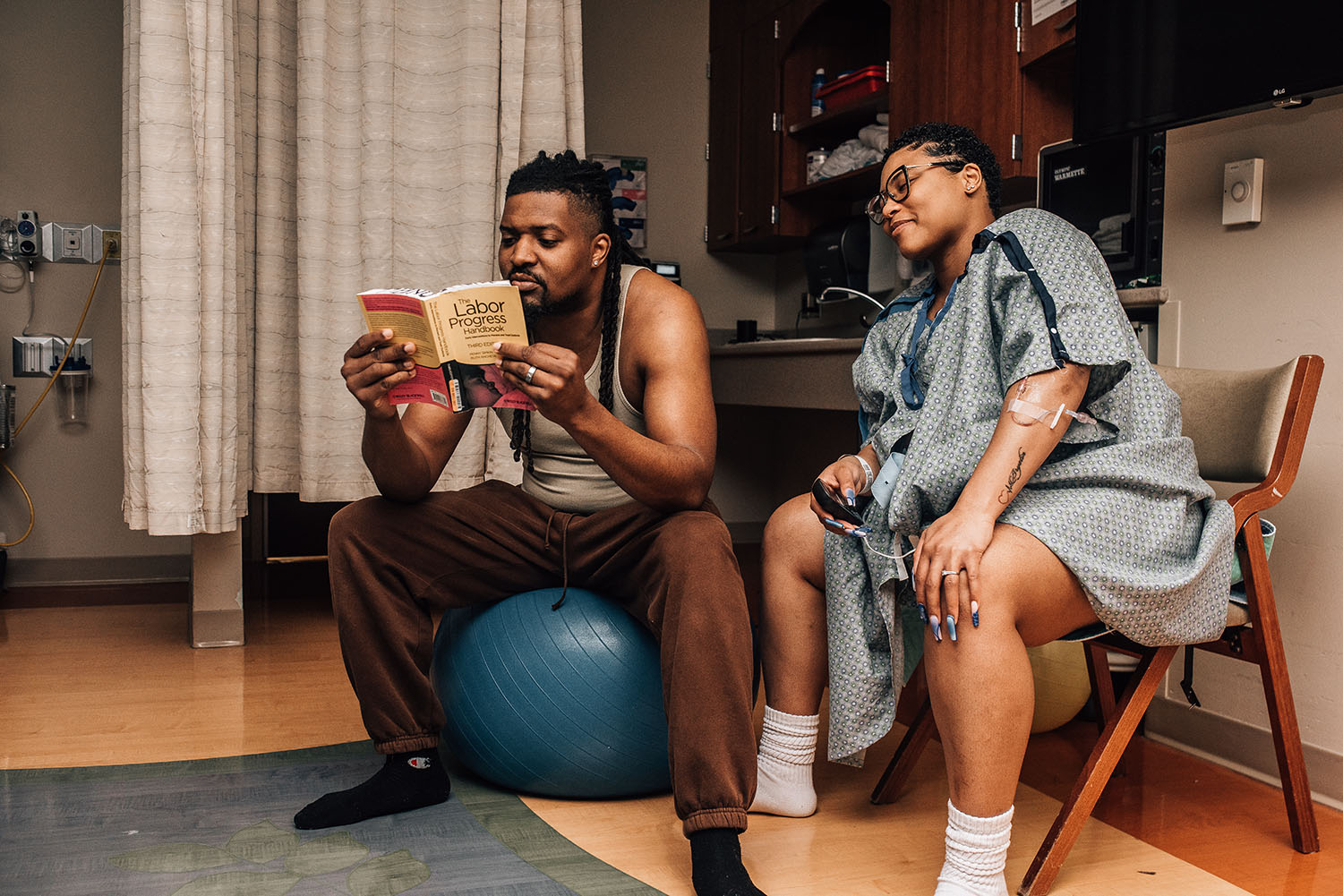
This fall, the Institute for Research on Women and Gender and the Department of Women’s and Gender Studies are proud to present Black Birth Joy by Tiana Lashae in the Lane Hall Exhibit Space. This exhibition documents birth not simply as an event, but as a deeply personal story of connection, courage, tenderness, and joy. Lashae’s photographs and stories challenge mainstream narratives that reduce Black birth to statistics. Instead, the exhibit offers evidence of joy, reminders of possibility, and a visual legacy for generations to come.